TZ: Science communication as method
Final-year research project in urban engineering at UTC · from literature review to a school classroom
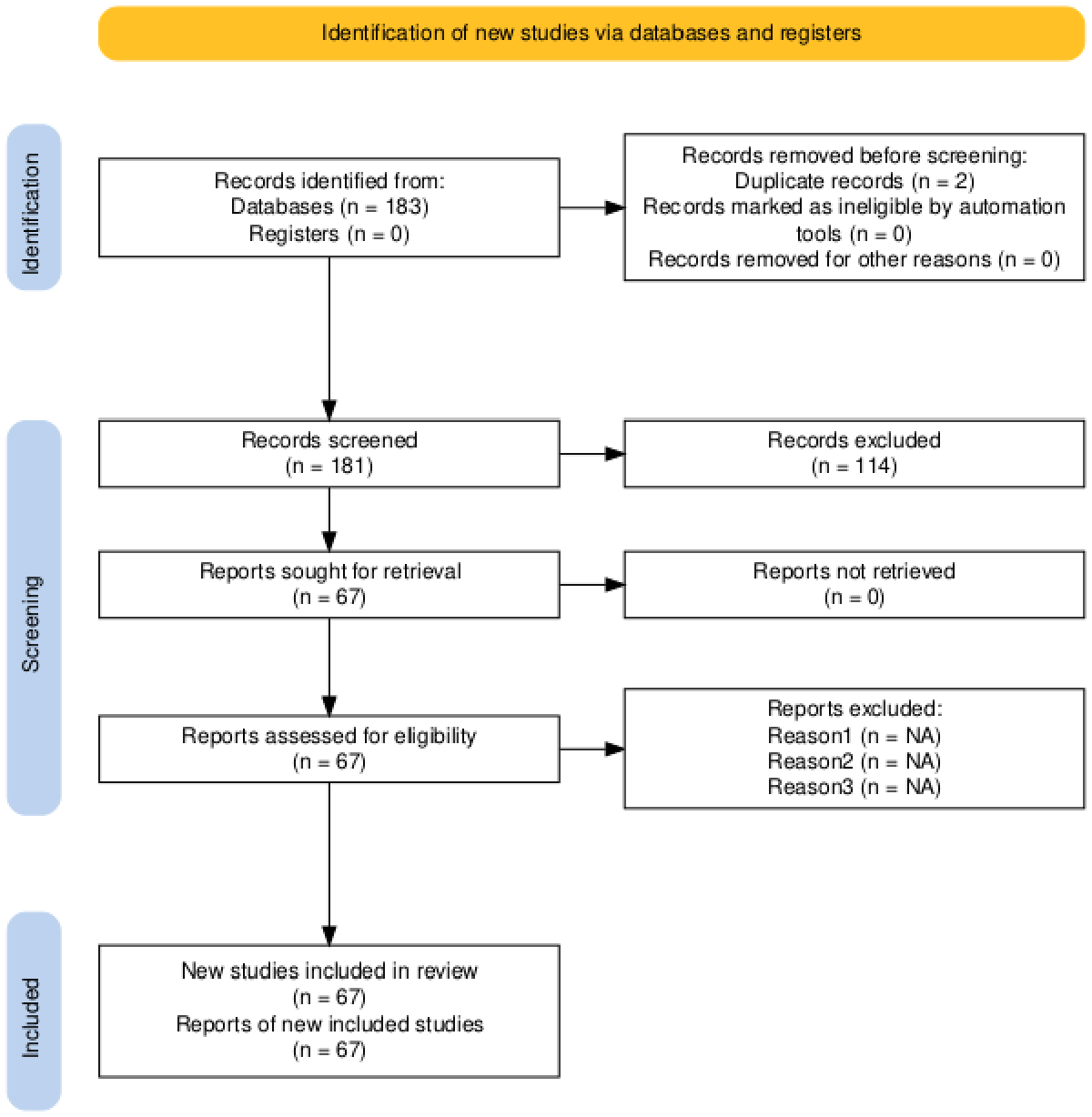
- 67 references retained (from 183)
- 11 papers read in depth
- 1 classroom field study
- 4 methodological steps
The question
Science communication is usually treated as something downstream of research: the results are in, then we figure out how to explain them to the public. This TZ asks about the other side: if science mediation happens upstream, can it be the method itself?
The report is titled “Développement méthodologique par la médiation scientifique” (methodological development through science mediation), supervised by Maxime Hachette and Manuela Sechilariu. It is not a portfolio of outreach pieces but a methodological study: literature, field, proposal.
1. Literature: narrowing the corpus
- Platform and query: HAL, keyword “médiation scientifique”, no year or language restriction, restricted document types (journal articles, conference papers, reports, etc.)
- Screening: 183 records identified → 2 near-duplicates removed → 181 screened on metadata → 114 excluded (too peripheral, not analytical enough, or closer to advertising, book reviews and event material) → 67 retained
- Close reading: the 67 map the field; 11 papers read in depth form the analytical core
What the close reading yields is not a catalogue of definitions but four tensions:
- Mediation vs. popularisation: popularisation is a top-down simplification and transmission; mediation emphasises dialogue, interaction and feedback — the public is not only a receiver but potentially a contributor to knowledge production
- Form vs. content: form (style, cover, editorial choices) is not decoration; it takes part in constructing the relation between content and reader
- Research vs. field: the role of mediation keeps being redistributed between research and local practice
- Institutional expectations vs. actual appropriation: a gap remains between what institutions expect from mediation and what publics actually do with it
2. Field: a classroom session on electric mobility
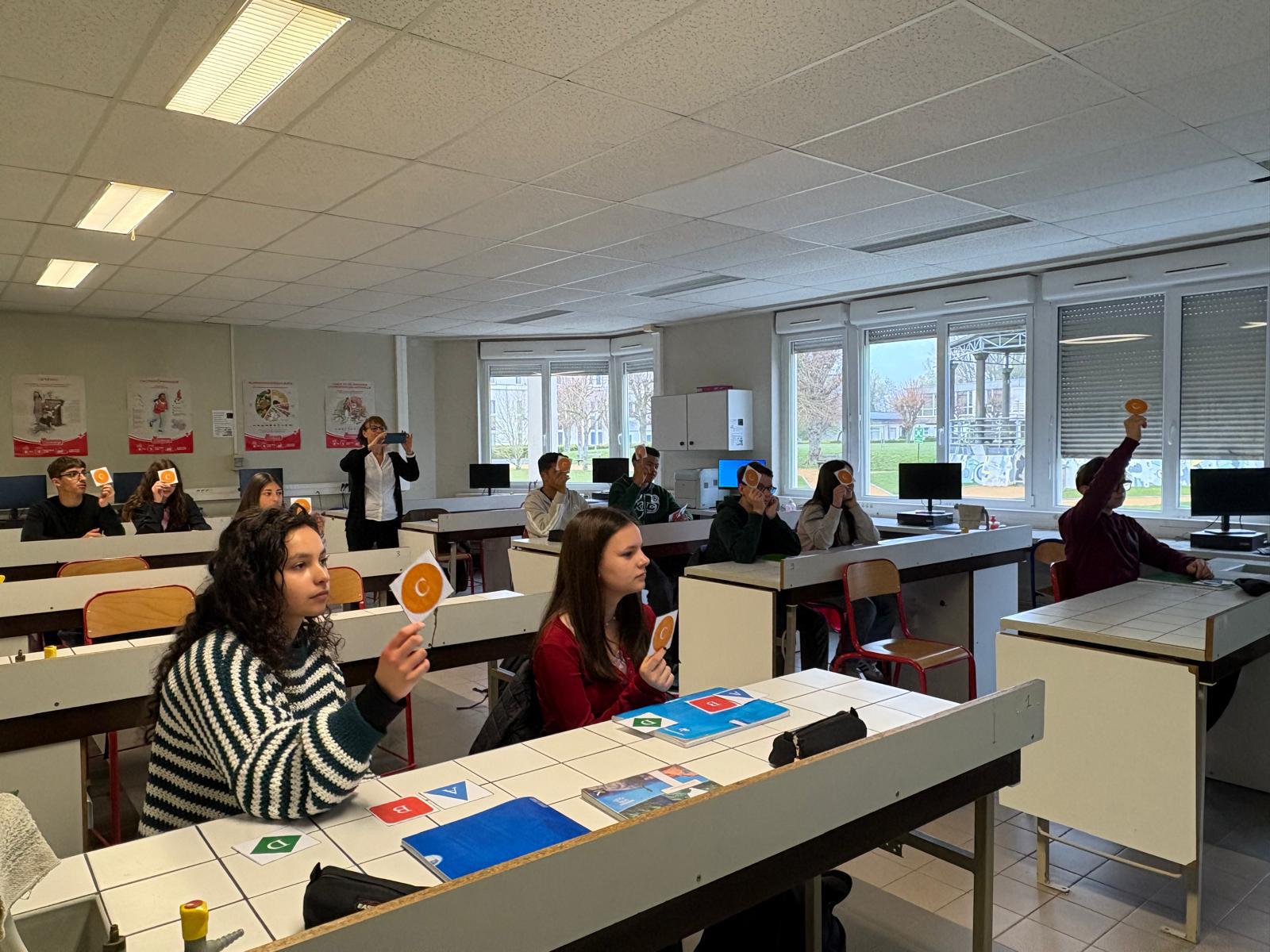
On 1 April 2026, at Lycée Charles de Gaulle in Compiègne, I assisted — as an assistant observer — a postdoctoral researcher from the AVENUES lab during a science-mediation session on electric mobility.
My position was not that of the main speaker but of an observer placed close to the device: preparing the material, following the session, watching students’ reactions, noting the moments of attention, understanding and hesitation.
Three observations:
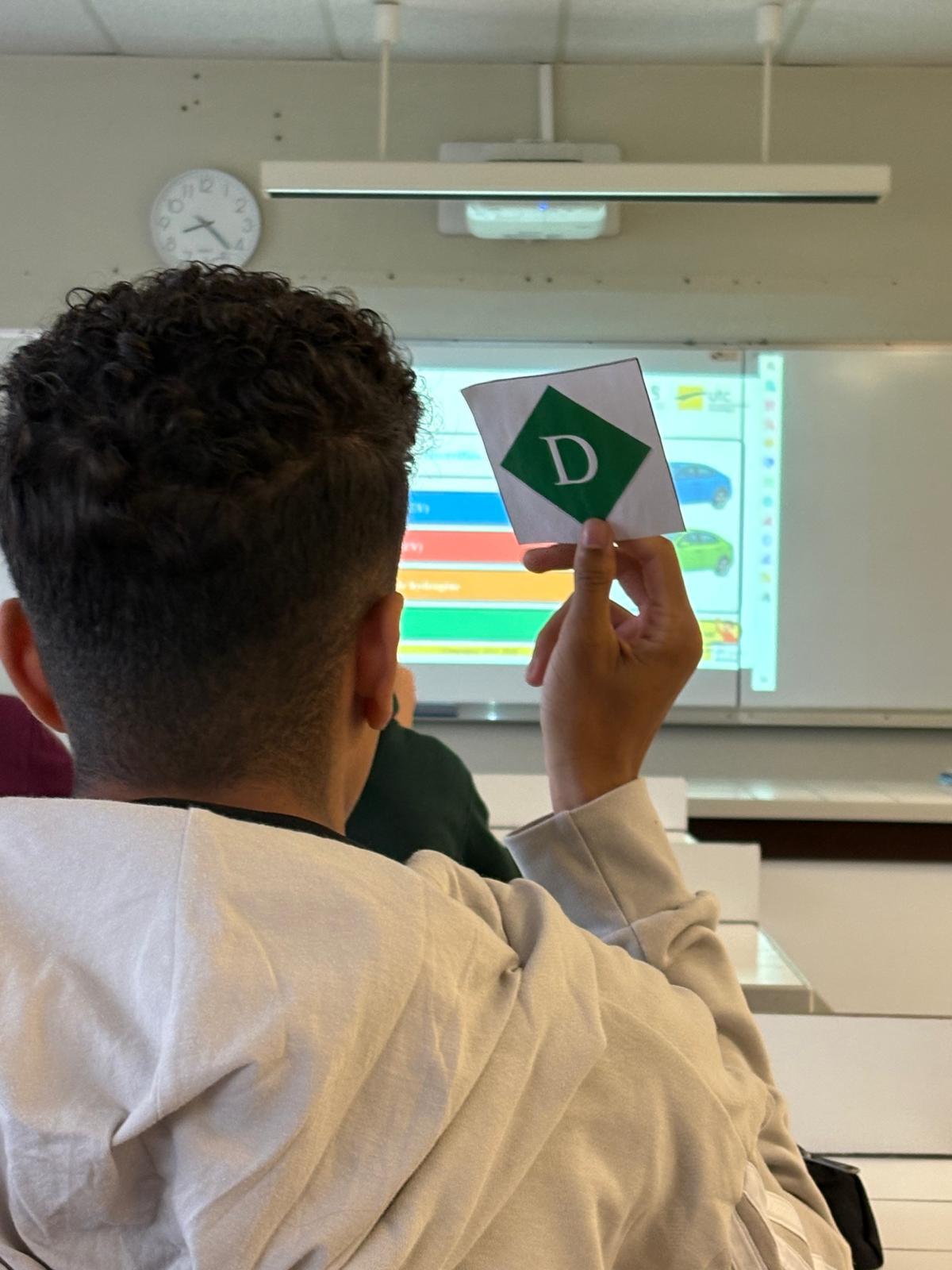
- The quiz captures attention quickly, giving the session an immediate interactive entry point
- How questions are phrased decides whether discussion opens up: what matters is not just asking, but wording, accessibility and openness
- The quality of visual support matters: slide clarity, chart readability and overall visual coherence directly affect attention and understanding
This observation pulls mediation from the level of texts back to the level of the device: a mediation session can surface clues about understanding, representations and cognitive obstacles.
3. Proposal: a four-step methodology
Table 1 in the report turns the mediation setting into research material:
| Device | What is observed | Data produced | Potential use for research |
|---|---|---|---|
| Interactive quiz | Correct or wrong answers, hesitations, level | Indicators of understanding, fuzzy notions, representations | Building cognitive and informational variables |
| Participatory workshop | Exchanges, arguments, prioritisation of problems | Verbatims, perceived obstacles, usage categories | Enriching hypotheses, discussing indicators |
| Visual support / slides / infographics | Attention, appropriation, ability to reformulate | Indicators of readability and clarity | Testing the usability of research outputs |
| Discussion with actors | Operational constraints, disagreements, validation | Experience feedback, institutional needs, context variables | Adjusting the operational relevance of tools |
Hence a four-step framework:
- Conceptual clarification: define science mediation and distinguish mediation, popularisation and co-construction
- Observation and characterisation: observe mediation devices and identify how they actually work
- Analytical translation: reformulate observed feedback into categories, indicators and qualitative variables
- Methodological articulation: connect these variables with other methods — qualitative surveys, GIS, modelling
What it means
Mediation is no longer just “knowledge transfer” at the end of research, but a space where data emerge: it makes visible dimensions that spatial or technical data alone struggle to capture — the legibility of devices, cognitive load, informational obstacles, and the gap between theoretical accessibility and actual appropriation.
The report is explicit about its limits: the review is targeted rather than exhaustive, the close-read sub-corpus is small, and the framework is a proposal, not a protocol already implemented at scale.
Next step
This TZ grew directly into a doctoral application: the SOUND project builds science mediation into the research design as a methodological component (32 days per year).
Fieldwork gallery
Public files
Technical notes
Related skills
- Zotero
- Science communication
- Academic writing
- Project management